Low Slope Roofing Contractor
Low-Slope Roofing in Altamonte Springs FL
Request Your Free Quote
Low-Slope Roofing Experts You Can TrustBuilding It Right From the Start
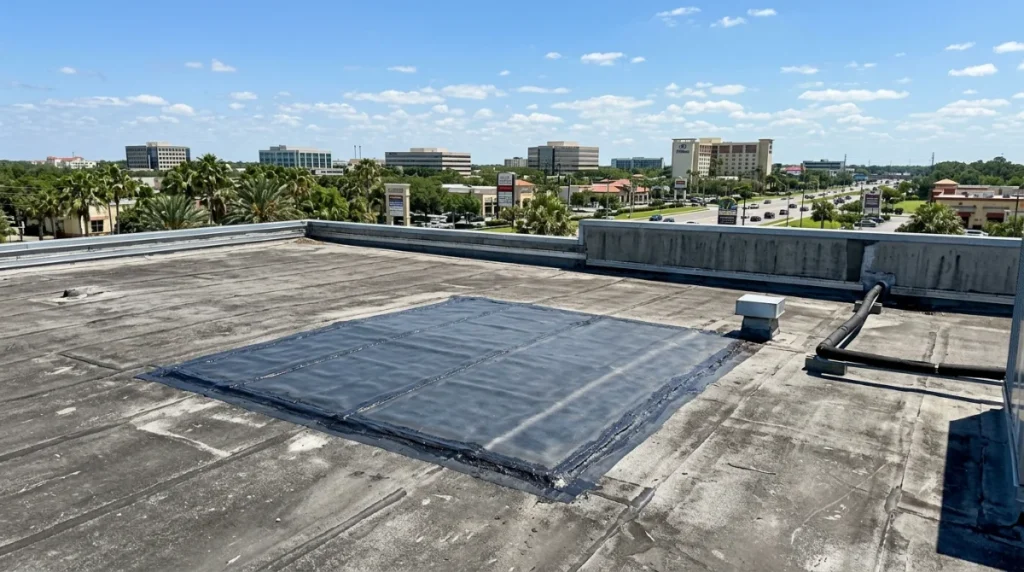
What Makes Low-Slope Roofing Different
Waterproofing is critical
Drainage must be engineered
Materials differ from steep-slope applications
Installation precision matters more
Maintenance is more important
Low-Slope Roofing Systems We Install
TPO Roofing
EPDM Roofing
PVC Roofing
Modified Bitumen
Built-Up Roofing (BUR)
Spray Polyurethane Foam (SPF)
Roof Coatings
Low-Slope Roofing for Different Building Types
Office buildings
Retail centers
Warehouses and distribution centers
Manufacturing facilities
Restaurants and food service
Healthcare facilities
Educational buildings
Residential flat sections
Free Inspection
Don't Wait! Schedule your Free Inspection Today!
Request a Free Quote
Our Low-Slope Roofing Process
Step 1: Building Assessment
Step 2: System Recommendation
Step 3: Detailed Proposal
Step 4: Project Planning
Step 5: Preparation Work
Step 6: Membrane Installation
Step 7: Flashing and Details
Step 8: Final Inspection
Our Flat Roof Repair Work
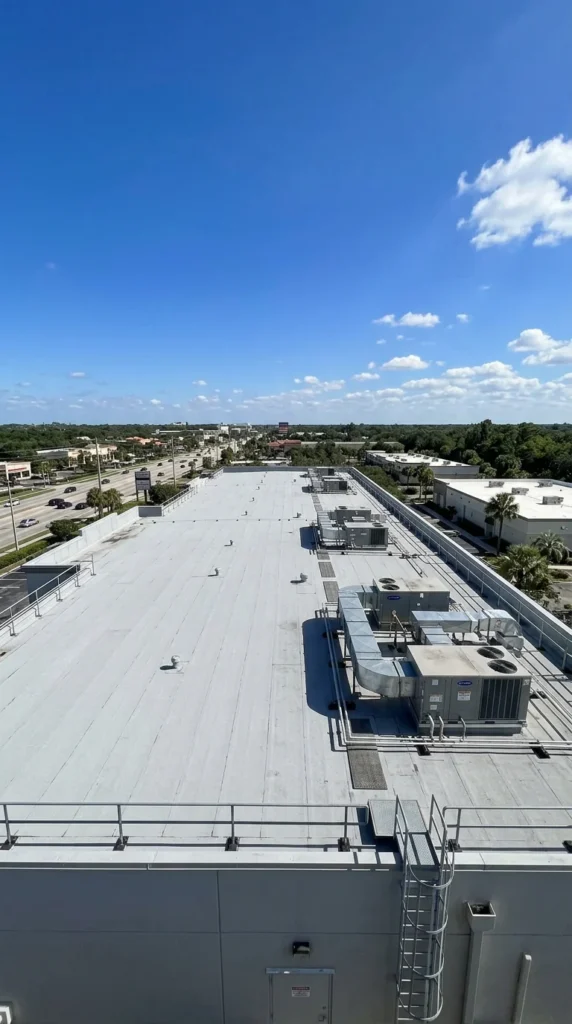
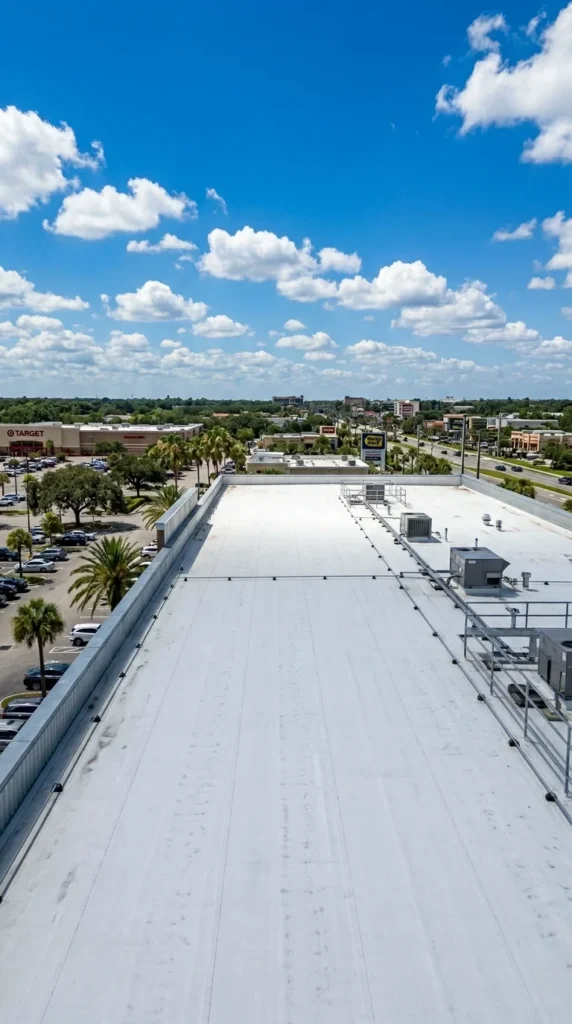
Energy Efficiency and Low-Slope Roofing
Reflective membranes
Reduced cooling loads
Insulation integration
Cool roof compliance
Utility rebates
Neighborhoods We Offer Low Slope Roofing
Spring Valley
Uptown Altamonte
Spring Lake Hills
Forest City
Weathersfield
Lake Orienta Hills
Bella Vista
Crescent Place
Country Creek
San Sebastián Heights
Oasis at Pearl Lake
Hidden Harbour
Jamestown Village
Altamonte Ridge
Sanlando
Frequently Asked Questions
How long does a low-slope roof last?
Lifespan varies by system type and maintenance. TPO and PVC typically last 20 to 30 years. EPDM can exceed 30 years in good conditions. Modified bitumen and built-up roofs last 15 to 25 years. Proper installation and regular maintenance maximize service life for any system.
What causes most low-slope roof failures?
Common failure causes include poor original installation, neglected maintenance, ponding water, failed flashings at penetrations, and membrane damage from foot traffic or debris. Many failures are preventable with quality installation and ongoing care.
Can you install a low-slope roof over my existing roo
In some cases, yes. If your existing roof is in reasonable condition and building codes allow it, we can install certain systems over existing roofing. This reduces costs and waste. We evaluate your specific situation to determine if overlay is appropriate.
How do you handle drainage on a flat roof?
Drainage solutions include interior drains, scuppers through parapet walls, and gutters at roof edges. We ensure adequate drain capacity for Florida’s heavy rainfall. When replacing roofs, we often add tapered insulation to improve drainage patterns.
Is low-slope roofing more expensive than steep-slope?
Material costs are often similar, but low-slope roofing requires more attention to detail and specialized installation techniques. Total project costs depend on building size, system selection, and existing conditions. We provide detailed pricing so you can compare options clearly.